
Bei Google-Suchen und Branchenanfragen, egal ob nach ... gesucht wird Aln-Substrat, Aluminiumnitrid-Substrat, oder AluminiumnitridkeramikEin durchgängiger Trend zeichnet sich ab: Dieses Material genießt ein hohes Premium-Image. Ein handtellergroßes, hochreines Substrat kostet oft Hunderte von Yuan (RMB) – umgerechnet Dutzende oder sogar über hundert US-Dollar. Dieser hohe Preis ist nicht auf übertriebene Werbung zurückzuführen, sondern hat drei wesentliche Gründe.
1. Rohstoffe: Reinheit ist die "Lebensader" der Wärmeleitfähigkeit
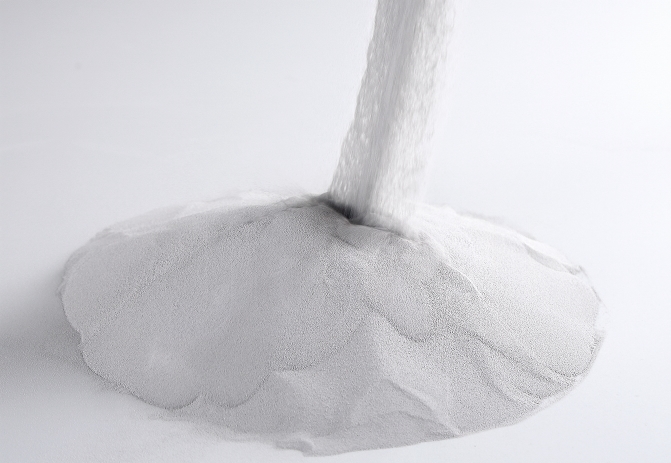
Hochwertiges AlN-Pulver muss eine Reinheit von 4N (99,99 %) erreichen, wobei der Sauerstoffgehalt streng unter 0,1 % kontrolliert werden muss. Sauerstoffatome streuen Phononen und wirken somit als Hauptursache für die Phononenstreuung. Wärmeleitfähigkeit von Aluminiumnitrid (oft gesucht als Wärmeleitfähigkeit AlNDas vorherrschende carbothermische Reduktionsverfahren erfordert extrem hohe Temperaturen (1600–1800 °C) und eine streng kontrollierte Stickstoffatmosphäre, was zu erheblichem Anlagenverschleiß und hohem Energieverbrauch führt. Hochreines Pulver kostet mehr als zehnmal so viel wie Standard-Aluminiumoxid und macht einen wesentlichen Teil der Endproduktkosten aus.
2. Fertigung: Die doppelten Herausforderungen des Sinterns und der Bearbeitung
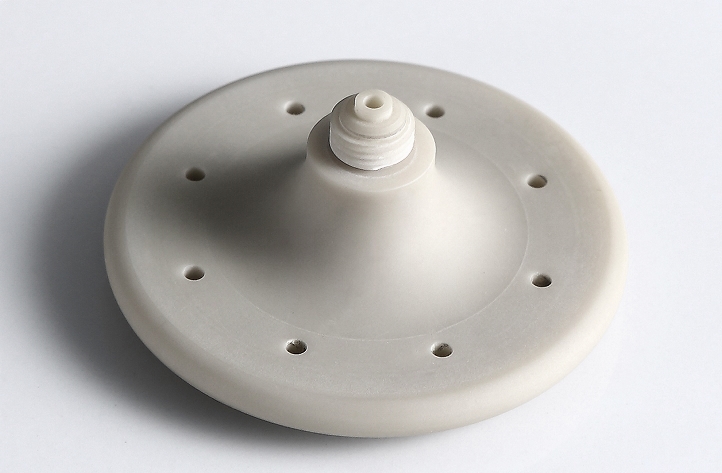
Die Synthese von hochdichten Keramiken mit hoher Wärmeleitfähigkeit aus hochreinem Pulver erfordert spezielle Hochtemperatur-Nitrieröfen, die mit Temperaturen über 1800 °C betrieben werden, sowie teure Seltenerd-Sinterhilfsmittel. Nach dem Sintern weist AlN eine Mohs-Härte von 8–9 auf, wodurch Präzisionsschneiden und -schleifen anfällig für Mikrorisse und Absplitterungen sind. Die Bearbeitungskosten übersteigen oft 50 % der gesamten Produktionskosten, wobei die Ausbeutekontrolle extreme technische Herausforderungen darstellt.
3. Marktdynamik: Starre Nachfrage trotz Ungleichgewicht zwischen Angebot und Nachfrage
Mit dem explosionsartigen Anstieg der Rechenleistung von KI-Systemen, optischen 1,6-T-Modulen und SiC-Leistungsmodulen in Automobilqualität hat sich High-End-AlN rasant von einer „optionalen Lösung zur Wärmeableitung“ zu einem „kritischen Eckpfeiler“ entwickelt. Die globalen High-End-Kapazitäten werden seit Langem von wenigen technologisch fortschrittlichen Unternehmen mit vorsichtigen Expansionsplänen dominiert. Langsames Angebotswachstum bei gleichzeitig stark steigender Nachfrage hält die Preise naturgemäß hoch.
4. Der „Leistungszuschlag“: Unersetzlichkeit
Trotz der hohen Kosten, in Szenarien mit extrem hoher Leistungsdichte wie beispielsweise 5G-Basisstationen, AlN-Heizung Bei Systemen und Hochgeschwindigkeitszügen, wo das Wärmemanagement zum Flaschenhals wird, bietet nur hochreines AlN die ideale Kombination aus „hoher Wärmeleitfähigkeit, hoher elektrischer Isolation und einem an Silizium angepassten Wärmeausdehnungskoeffizienten“. Es ist nicht nur ein Kühlkörper, sondern eine „kritische Barriere“, die die Leistungsfähigkeit und Langlebigkeit des Geräts gewährleistet.
Eine Anmerkung zu „kostengünstigen“ AlN-Keramiken
Aufmerksamen Beobachtern mag auffallen, dass Aluminiumnitridkeramik Diese Teile sind online für wenige Dollar erhältlich. Sie unterscheiden sich grundlegend von den oben beschriebenen High-End-Substraten. Typischerweise werden sie aus Pulvern geringerer Reinheit (Sauerstoffgehalt >1 %) hergestellt und weisen eine Wärmeleitfähigkeit im Bereich von 50–120 W/(m·K) auf – weit unter den für moderne Elektronik erforderlichen 170+ W/(m·K). Oft werden sie als unpolierte Rohlinge oder Miniatur-Abstandshalter angeboten und eignen sich im Allgemeinen für Experimente im Bildungsbereich oder unkritische Anwendungen mit geringem Stromverbrauch. Für Systeme mit hohen Zuverlässigkeitsanforderungen ist die Investition in hochwertiges AlN nicht optional, sondern unerlässlich.
Xiamen Juci Wir produzieren hochreines AlN-Pulver, AlN-Granulat, wärmeleitende Füllstoffe und AlN-Keramiken. Bitte kontaktieren Sie uns bei Bedarf.
Kontakt: Jenny Qin / 진현혜
Telefon: +86 151-5177-8700
WeChat-ID: JENNY-8866
Xiamen Juci Technology Co., Ltd.
E-Mail: qinxianhui@chinajuci.com
Website: www.jucialnglobal.com
WhatsApp : +8618250812806
WhatsApp : wechat: JENNY-8866
E-Mail : chenxiaofang@chinajuci.com
E-Mail : qinxianhui@chinajuci.com
Tel : +8618250812806
Tel : +8615151778700